
Exploring Nicotinamide Riboside NR and Its Potential to Combat Age-Related NAD Decline
- Mohamed Nematalla
- Dec 24, 2025
- 3 min read

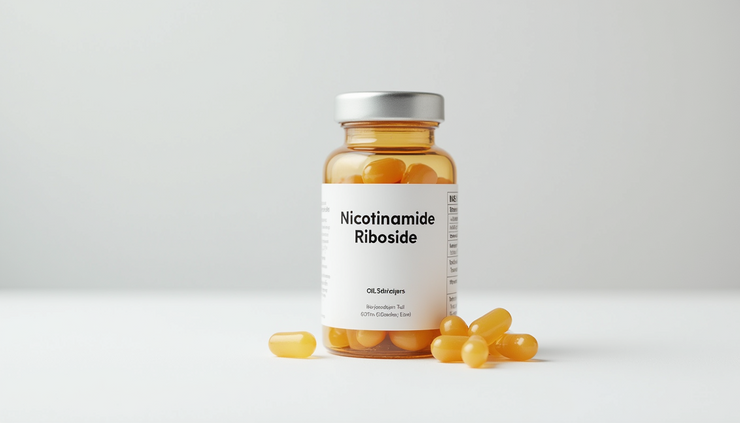
Aging brings many changes to the body, and one key factor scientists have focused on is the decline of a molecule called NAD+ (nicotinamide adenine dinucleotide). NAD+ plays a crucial role in energy metabolism and cellular repair, but its levels drop as we get older. Nicotinamide Riboside (NR), a form of vitamin B3, has gained attention for its potential to reverse this decline. This post explores the scientific research behind NR, its effects on NAD+ levels, and what this means for aging and health.
What Is NAD+ and Why Does It Matter?
NAD+ is a coenzyme found in every living cell. It helps convert food into energy by supporting mitochondrial function, which powers cells. Beyond energy, NAD+ is essential for DNA repair, regulating circadian rhythms, and activating proteins that protect against cellular damage.
As we age, NAD+ levels naturally decline. This reduction is linked to decreased mitochondrial efficiency, increased DNA damage, and overall cellular aging. Scientists believe restoring NAD+ could improve healthspan and possibly lifespan by supporting the body’s natural repair mechanisms.
Nicotinamide Riboside and Its Role in NAD+ Production
Nicotinamide Riboside is a precursor to NAD+. When consumed, NR converts into NAD+ through a series of biochemical steps. Unlike other NAD+ precursors, NR is thought to be more efficient at raising NAD+ levels without causing side effects like flushing, which is common with niacin.
NR supplements have become popular because they offer a way to boost NAD+ levels through diet. This has sparked interest in their potential to slow or reverse some effects of aging.
Insights from Animal Studies on NR and Aging
Animal research has provided some of the strongest evidence for NR’s benefits. Studies in mice show that NR supplementation can:
Increase NAD+ levels in tissues such as muscle, liver, and brain.
Improve mitochondrial function, leading to better energy production.
Enhance physical performance and endurance.
Reduce age-related weight gain and improve metabolic health.
Extend lifespan in some cases, particularly in models of accelerated aging.
For example, a 2016 study found that older mice given NR showed improved muscle function and mitochondrial health compared to untreated mice. Another study demonstrated that NR helped protect brain cells from damage and improved cognitive function.
These findings suggest NR supports cellular health by maintaining NAD+ levels, which in turn supports mitochondrial efficiency and reduces age-related decline.
What Human Clinical Trials Tell Us About NR
Human studies on NR are more limited but growing. Clinical trials have generally found that NR is safe and can increase NAD+ levels in blood cells. However, the physical benefits observed in humans are more modest compared to animal models.
Some key findings from human trials include:
Improved blood pressure and arterial health in middle-aged and older adults.
Enhanced muscle mitochondrial function in older individuals.
Modest improvements in physical endurance and strength.
Potential benefits for metabolic conditions, such as insulin sensitivity.
Despite these promising results, many trials have small sample sizes or short durations. More extensive research is needed to confirm long-term benefits and optimal dosing.
Understanding NAD+ Trends and Functions in Aging
NAD+ levels decline due to increased consumption by enzymes involved in DNA repair and inflammation, as well as reduced synthesis. This decline affects multiple systems:
Energy metabolism slows down, leading to fatigue and reduced physical capacity.
DNA repair becomes less efficient, increasing mutation risk.
Cellular stress responses weaken, making cells more vulnerable to damage.
Maintaining NAD+ levels supports these critical functions, which is why NAD+ precursors like NR are of interest for aging research.
Advantages of Consuming NR and Related Supplements
Supplements that boost NAD+ offer several potential advantages:
Support for mitochondrial health, which is central to energy and metabolism.
Improved cellular repair mechanisms, possibly reducing age-related damage.
Better metabolic function, which may help manage weight and insulin sensitivity.
Potential cognitive benefits by protecting brain cells.
NR is often preferred over other NAD+ precursors because it raises NAD+ efficiently and is well tolerated. Other supplements include nicotinamide mononucleotide (NMN) and niacin, but these may have different effects or side effects.
Practical Considerations for NR Supplementation
If considering NR supplements, keep these points in mind:
Consult a healthcare provider, especially if you have health conditions or take medications.
Choose reputable brands with third-party testing to ensure purity and dosage accuracy.
Start with recommended doses and monitor how you feel.
Combine with healthy lifestyle habits like balanced nutrition, exercise, and sleep for best results.
The Future of NR Research and NAD+ Restoration
Research on NR and NAD+ is rapidly evolving. Scientists are exploring:
How NR affects different tissues and organs over time.
Its role in preventing or treating age-related diseases like neurodegeneration and metabolic disorders.
Optimal dosing strategies and long-term safety.
Combining NR with other interventions for enhanced effects.
As more data emerges, NR could become a key part of strategies to support healthy aging.


Comments